Restaurant & Food Photography in Luxembourg: A Practical Guide for Menus, Delivery Apps and Social
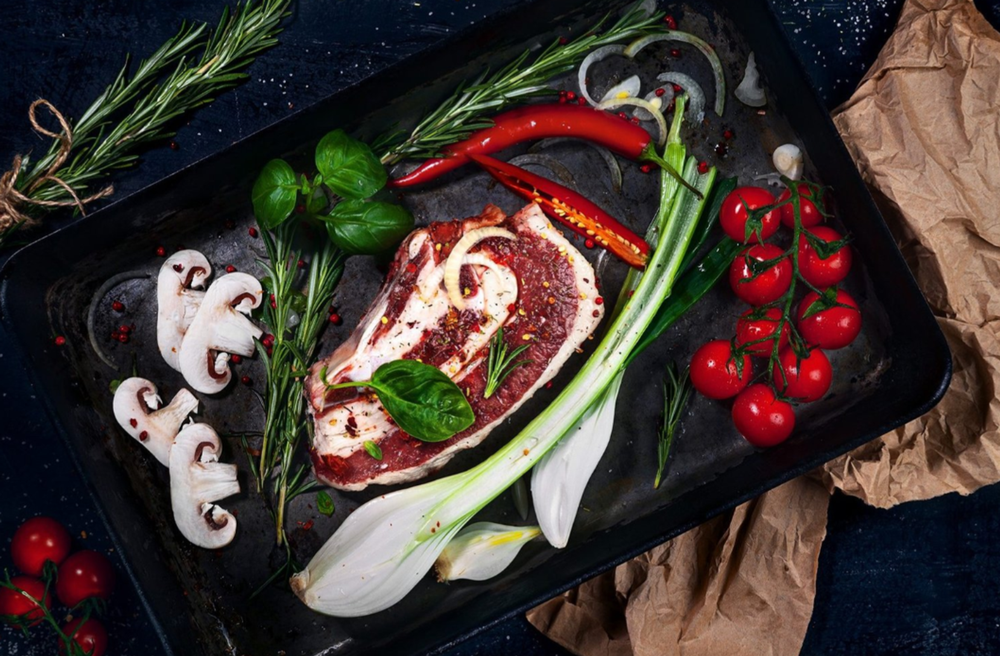
Good restaurant photography in Luxembourg starts with one decision: what each image is for. A delivery-app thumbnail, a printed menu, and an Instagram reel need different framing, lighting and crops, so the smartest approach is to plan the shoot list before anyone turns on a light. Below is a practical guide to scope, styling, location choices and typical market price ranges for the Luxembourg market.
Why food photography matters more than most owners think
In a market as compact and competitive as Luxembourg City, Esch or the Greater Region, your photos often make the first impression before a guest ever reads the menu. On delivery platforms the effect is measurable: industry reporting suggests restaurants that switch from phone snaps to professional menu photography see meaningful lifts in order volume and average basket size. The dish hasn't changed; the way it is presented has.
The mistake most venues make is treating photography as a one-off. A strong shoot produces a library you reuse for months across the menu, the website, Google Business Profile, delivery apps and social. Spread across all those touchpoints, the cost per useful image drops fast.
One shoot, several jobs: define the deliverables first
Food images usually serve four distinct jobs, and each has its own rules.
- Printed and PDF menus. Clean, consistent, often shot on a neutral or branded surface. The goal is appetite plus legibility at small print sizes.
- Delivery apps (Wolt, Uber Eats and similar). These platforms enforce strict specs. Uber Eats, for example, expects roughly 1200x800 px menu images at a 5:4 ratio, one item per photo, no faces, no "-30%" banners burned into the image, and no stock photos. A single dish, centred, on a clean background, with soft side light is the safe template. Get this wrong and images are rejected.
- Social (Instagram, TikTok, Facebook). Here imperfection sells. Looser styling, steam, hands, a half-eaten plate and short vertical video outperform sterile catalogue shots.
- Website, Google and PR. A few hero images plus interior and team shots that carry your brand.
List the exact number of dishes and the platforms before booking. "Twenty dishes for the menu, the same twenty cropped for Wolt, plus five hero shots and three short videos for Instagram" is a brief a photographer can price accurately. "Some food photos" is not.
Styling and lighting: what actually makes food look good
The 2026 direction in food imagery is restraint and realism. Over-processed, glossy, over-lit plates read as fake; buyers increasingly trust images that look like the dish they will actually receive.
Styling is the unglamorous half of the job and often the difference between amateur and professional results. It means plating with intent, wiping drips, choosing props and surfaces that match your brand, and keeping garnishes fresh. For a busy kitchen, the practical move is to have the chef plate two or three versions of each dish so the best can be chosen on the spot. Freshly plated food has a short photogenic life, so pace matters.
Lighting in 2026 is about control, not brightness. Soft, directional light, usually from the side, reveals texture; shadows are kept rather than erased to add depth and atmosphere. Natural window light can be beautiful but is unreliable, especially in Luxembourg's grey winter months, which is why most commercial work uses shaped artificial light engineered to look like daylight. The aim is light that feels organic, not theatrical.
Planning a shoot — or a project in our studio?
Tell us the scope and dates — we reply with a fixed quote within one business day. Prefer to talk it through first? Book a 30-minute call and we'll help you shape the project.
Studio vs on-location: which to choose
Both are valid; the right answer depends on what you are selling.
On-location, in your venue, is ideal when ambiance is part of the product, when dishes must be shot the moment they leave the pass, or when you also want interior and team images. The trade-off is variable light, kitchen noise and shooting around service. It usually means an early-morning or between-service slot so the team isn't disrupted.
In a controlled studio gives total command of light and background, perfect consistency across dozens of menu and delivery images, and faster turnaround per dish. The trade-off is logistics: food has to travel or be finished on site, which suits packaged products, drinks and tightly art-directed menu libraries better than delicate plated dishes.
Many Luxembourg projects are hybrid: a studio-style table set up inside the restaurant for menu and delivery shots, plus a short on-location pass for ambiance and social video. This is the approach Lux Photo Pro typically takes, with an in-house team and a single art direction across stills and video so the menu, the website and the delivery apps look like one brand rather than three.
Typical market price ranges in Luxembourg
A clear caveat: the figures below are typical market ranges, not a quote from anyone. Food and commercial photography is rarely priced from a fixed list; it depends on the number of dishes, styling needs, video, usage rights and post-production. Public pricing data for Luxembourg specifically is thin, so these bands are drawn from broader European and international market reporting and adjusted for a Western-European cost base. Treat them as planning numbers and always get a written, itemised quote.
- Half-day stills shoot (roughly 8–15 dishes, light styling): typically about €600–€1,500.
- Full-day stills shoot (20+ dishes, or stills plus interior/team): typically about €1,200–€3,000.
- Per-image, smaller jobs: typically about €25–€150 per finished image, with heavy retouching or compositing adding more.
- Delivery-app menu packages (e.g. 10–20 platform-ready images): often sold as a fixed package, frequently in the €750–€2,000 band depending on volume.
- Add-ons: professional food styling, a stylist, prop and surface rental, and licensing for paid advertising are usually quoted separately and can add 30–60% on top of the base shoot.
- Short-form video (reels, dish clips) is usually a separate line and varies widely with the amount of editing.
Two Luxembourg-specific points. First, VAT: Luxembourg's standard rate is 17%, so a €1,500 shoot is roughly €1,755 including VAT. If your restaurant is VAT-registered you generally recover input VAT, so compare quotes ex-VAT. Second, language: most Luxembourg hospitality teams work in French and English, and a smooth shoot day depends on clear briefing in the language your kitchen actually uses, plus invoice-ready paperwork that fits local accounting.
A simple plan to get value from one shoot
- Pick your 15–25 best-selling and best-looking dishes.
- Decide the platforms up front (menu, Wolt, Uber Eats, Instagram, website).
- Have the kitchen plate two versions of each dish.
- Shoot menu and delivery images in a controlled setup, then a short ambiance and video pass.
- Agree usage rights and file formats in writing before the day.
- Schedule a refresh when the menu changes seasonally, not once a year.
Done this way, restaurant photography stops being a cost and becomes an asset that earns its keep across every channel where guests decide where to eat.
FAQ
How many dishes can be photographed in one day? A realistic range is roughly 15–30 dishes for stills in a controlled setup, depending on styling complexity. Tightly art-directed plates or added video reduce that number; simple, repeatable shots increase it. Agree the exact list in advance so the day runs to schedule.
Do I need different photos for delivery apps and my printed menu? Usually yes. Delivery platforms enforce specific sizes, ratios and content rules (one item per image, no text overlays, no faces), while printed menus and social allow more creative freedom. The efficient solution is one shoot planned to deliver correctly cropped versions for each channel.
Is VAT included in food photography quotes in Luxembourg? Not always, so check. Luxembourg's standard VAT is 17%, and professional studios such as Lux Photo Pro issue invoice-ready paperwork showing it clearly. VAT-registered restaurants can typically reclaim it, so it is best to compare quotes on an ex-VAT basis.